
 Cabo San Lucas, Baja California, México.
 WhatsApp
 Messenger
What Is Hydrotherapy? Benefits, Types & How It Works

 Days remaining to vote
People have used water for relaxation and wellness for centuries, from ancient Roman baths to modern spa treatments. Today, this practice is known as hydrotherapy, a popular approach that uses water at different temperatures and pressures to promote comfort and relaxation.
But what is hydrotherapy, and how can it benefit your body? Here's everything you need to know about this water-based wellness practice.
What Is Hydrotherapy?
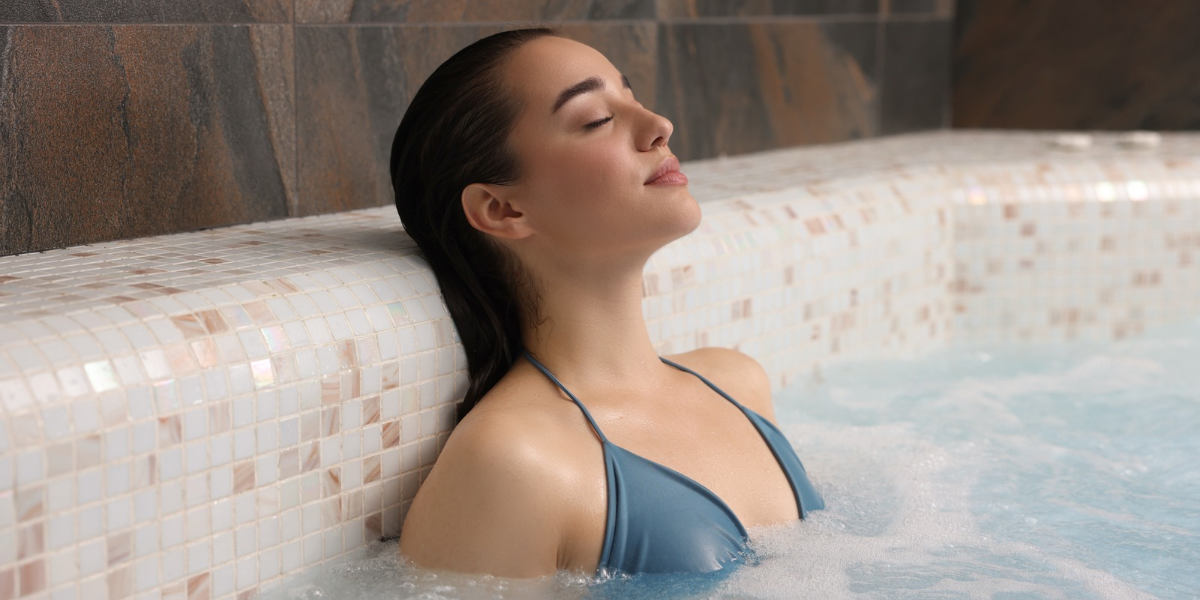
Hydrotherapy uses water to support physical well-being, relaxation, and, in certain settings, rehabilitation. It involves techniques such as warm baths, cold-water immersion, water jets, and therapeutic exercises in pools.
Depending on the treatment, hydrotherapy may help relax muscles, ease temporary discomfort, and create a calming experience.
Although hydrotherapy has ancient origins, it remains popular in modern wellness centers, spas, and physical therapy facilities.
How Does Hydrotherapy Work?
If you're wondering how hydrotherapy works, the answer lies in water's temperature, pressure, and natural physical properties.
Warm water encourages blood vessels to widen, promotes circulation, and helps muscles relax. Cold water temporarily narrows blood vessels and may help reduce certain types of soreness.
Water also provides buoyancy, reducing the load on joints and making some movements easier. Many hydrotherapy treatments combine these properties to create experiences focused on relaxation, comfort, or therapeutic movement.
Check out: What are the Benefits of Visiting a Spa?

What Are the Main Hydrotherapy Benefits?
The potential hydrotherapy benefits depend on the treatment, water temperature, and individual needs.
Some commonly recognized benefits include:
- Muscle relaxation: Warm water may help ease muscle tension and stiffness.
- Improved circulation: Heat encourages blood flow to the skin and surrounding tissues.
- Stress relief: A relaxing water-based experience may promote a sense of calm.
- Joint comfort: Water's buoyancy reduces pressure on joints during movement.
- Greater mobility: Supervised aquatic exercises may help improve flexibility and range of motion.
These spa hydrotherapy benefits can contribute to overall well-being, although results vary and hydrotherapy should not replace medical treatment.
What Are the Different Types of Hydrotherapy?
Hydrotherapy has several types, each offering a different experience.
Warm Water Baths and Whirlpools
Warm water immersion encourages relaxation, while whirlpool jets provide gentle water pressure that may help ease muscle tension.
Cold Water Immersion
Cold plunge pools use lower temperatures to create a refreshing experience. Cold exposure may temporarily reduce soreness, although it isn't appropriate for everyone.
Contrast Water Therapy
This technique alternates warm and cool water exposure. It is commonly incorporated into wellness routines, but its effects depend on the individual and treatment method.
Aquatic Therapy
Aquatic therapy involves guided exercises in water, often supervised by a qualified healthcare professional to support movement and rehabilitation.
Discover our Desert Spa.

What Is a Hydrotherapy Circuit?
A hydrotherapy circuit is a sequence of water-based experiences that may include warm pools, whirlpools, steam rooms, contrast showers, and cold plunges.
The purpose is to combine different temperatures and sensations in a structured relaxation experience. Circuits vary between facilities, and not every session requires alternating hot and cold temperatures.
What Should You Expect During a Hydrotherapy Session?
Before beginning, a spa professional or therapist may explain the available treatments, recommended duration, and safety guidelines. During the session, you might experience warm-water immersion, gentle water jets, or temperature changes, depending on the treatment you choose.
Stay hydrated, avoid extreme temperatures, and get out of the water if you feel dizzy or uncomfortable. People with cardiovascular conditions, circulation problems, or other medical concerns should consult a healthcare professional before trying hydrotherapy.
Is Hydrotherapy Worth Trying?
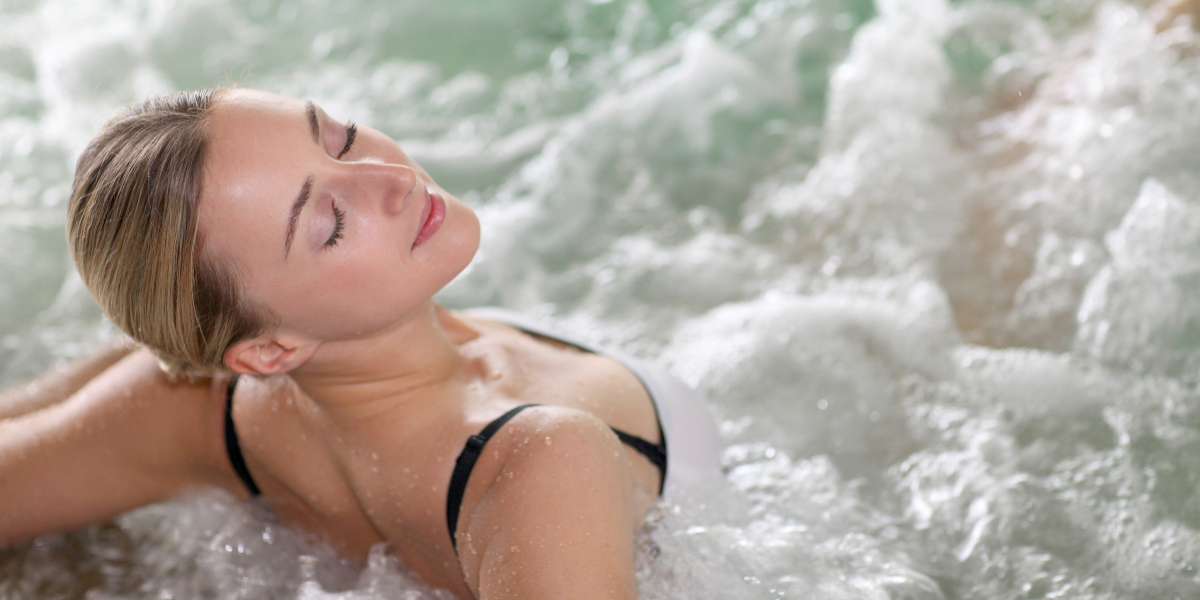
Hydrotherapy offers a versatile way to relax and enjoy water-based wellness. Whether through a warm bath, aquatic exercise, or a structured spa circuit, it can help you unwind and support physical comfort.
Understanding the different treatments and their potential benefits can help you choose an experience that suits your needs.
We recommend How to Detox Your Mind on Vacation.
RELATED