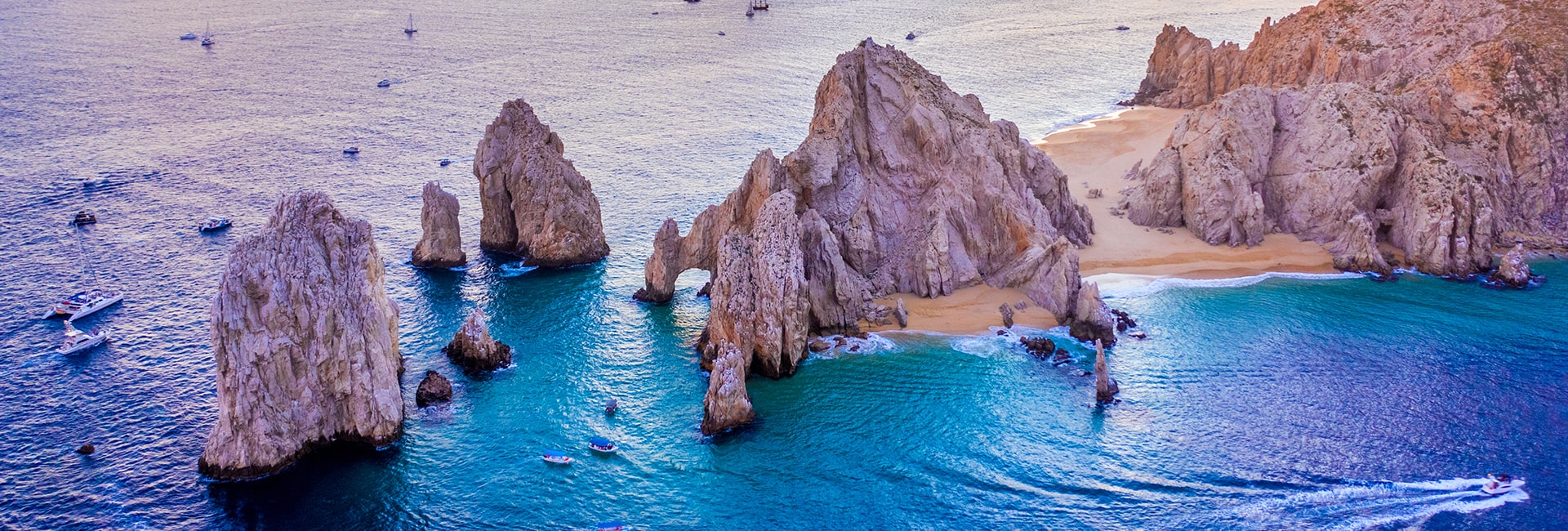
Cabo San Lucas, Baja California, México.
 WhatsApp
 Messenger
When Is Whale Watching Season in Cabo San Lucas?
 Days remaining to vote
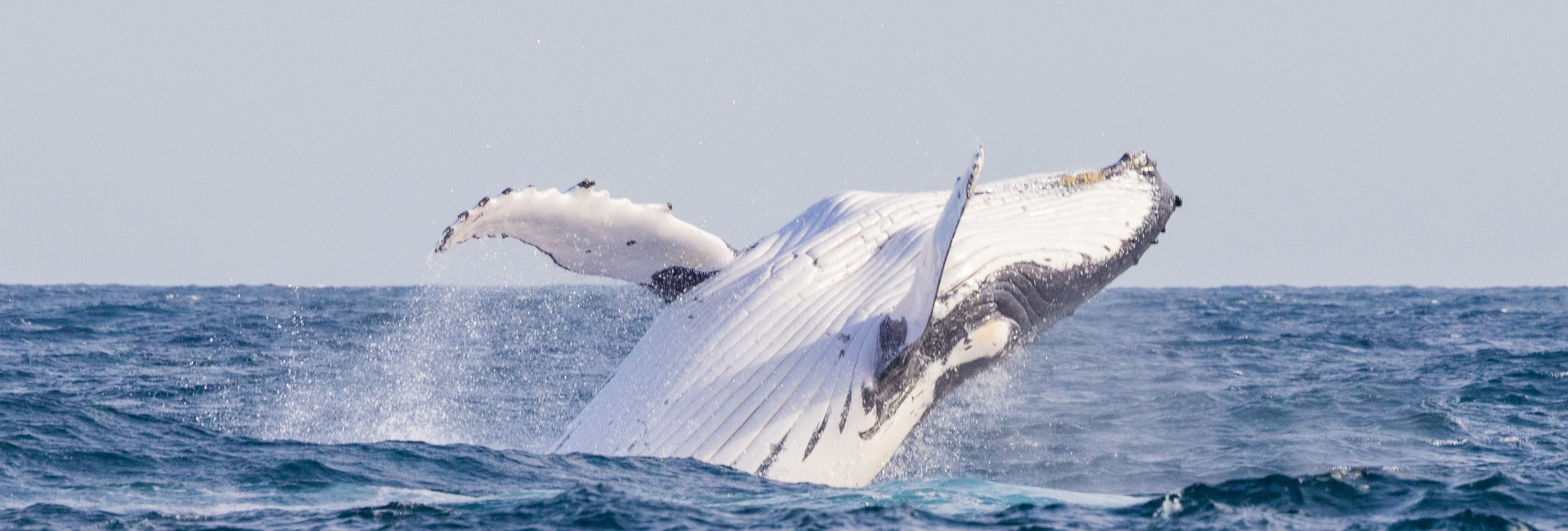
If seeing a whale in the wild is on your wish list, Cabo San Lucas is a wonderful place to make it happen. Every winter, whales migrate through the waters around Baja California Sur, bringing an incredible display of marine life to the Pacific Ocean and the Sea of Cortez.
The most recently authorized official whale watching season in Mexico for Cabo runs from December through April. During these months, visitors can see migrating whales from boats along the coastline and sometimes from the comfort of their resort.
But when exactly should you visit, what species might you see, and what should you expect from a whale watching Cabo San Lucas excursion? Here's what to know before you go.
When Is Whale Watching Season in Cabo?
The official whale-watching period in Cabo runs from December through April, although whale activity can vary throughout the season. The migration is an impressive natural journey. Humpback whales and other species travel from colder northern waters toward Mexico, where the warmer Pacific waters provide important breeding and calving grounds.
They spend part of the winter in the region before beginning their northward journey again.
For travelers wondering about the best time to visit Cabo to watch whales, January through March can be particularly rewarding, when many whales are active in the area, and calves may be seen alongside their mothers. That said, nature doesn't follow a calendar perfectly, so sightings and activity can change from day to day.
What Kind of Whales Can You See?
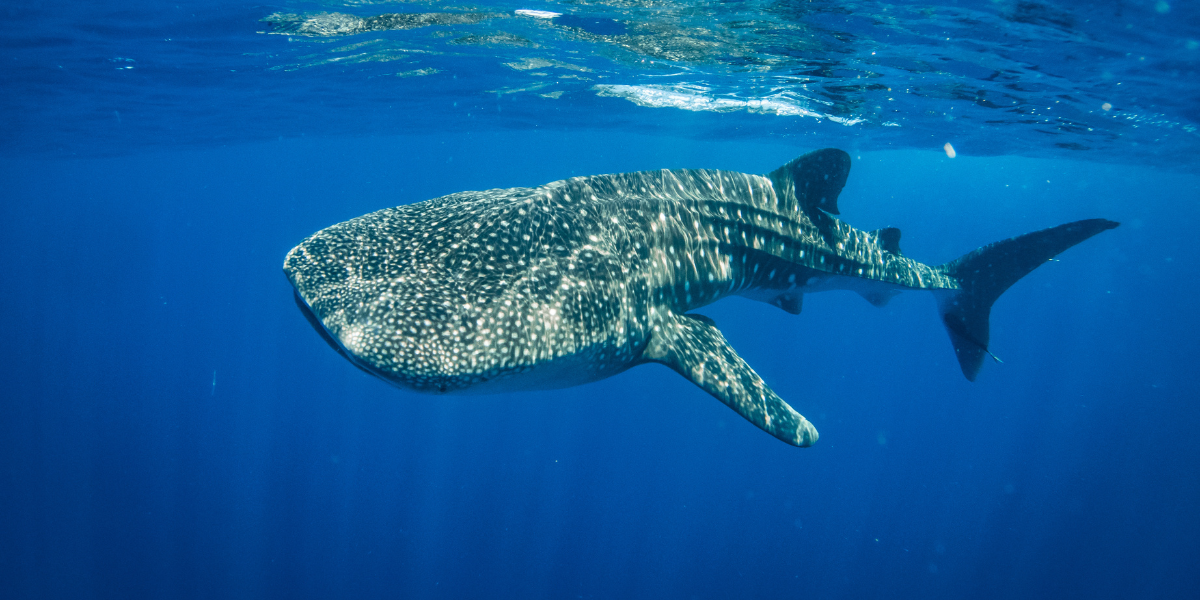
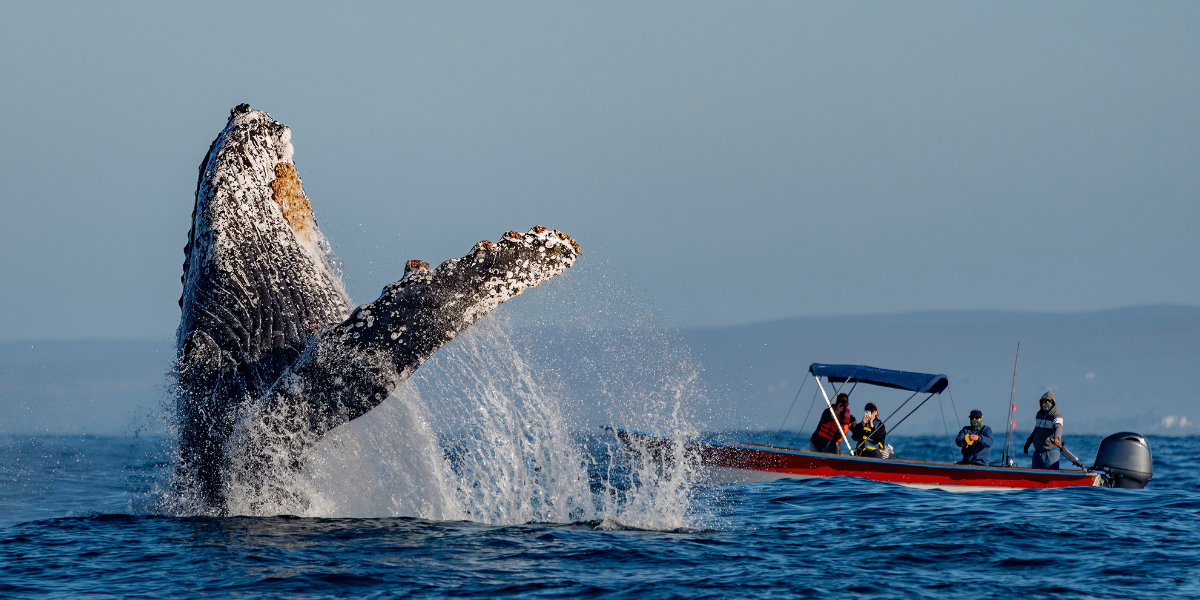
Humpback whales are among the most frequently spotted whales in Cabo, and they're hard to miss when they breach, slap their tails, or surface close to a boat. You may also encounter gray whales, particularly as they migrate through Baja's waters. Depending on conditions and location, other species can occasionally be observed as well, including fin whales and even blue whales.
Seeing these animals in their natural environment is a completely different experience from visiting an aquarium or marine park. You never quite know what will happen next, and that's part of the magic.
Where Does Whale Watching Take Place?
Most Cabo whale watching tours depart from areas around Cabo San Lucas and head into the surrounding waters in search of migrating whales. Some excursions also operate from San José del Cabo and other points along the coast.
The exact route depends on ocean conditions, recent sightings, weather, and the behavior of the whales. Experienced captains and naturalist guides typically know where activity has been reported and can adjust the trip accordingly. The waters around the tip of the Baja California Peninsula are particularly interesting because they connect two major marine environments, making the marine life Cabo San Lucas a major attraction well beyond the whale season.

What Can You Expect on a Whale Watching Tour?
A typical excursion starts with a safety briefing before heading out onto the water. Once you're offshore, your captain and guides will look for signs of whale activity, such as blows on the horizon, splashes, or groups of birds that may indicate feeding activity.
When a whale appears, everyone tends to go quiet for a moment. Then comes the excitement as it surfaces, dives, or suddenly launches out of the water. Your guides may also explain the differences between species, describe migration patterns, and share information about whale behavior and conservation.
Remember that these are wild animals. Sightings can never be guaranteed, even during the peak season. Whales travel through a huge area, and their movements are influenced by weather, ocean conditions, food availability, and natural behavior. A responsible tour operator will never promise that you'll see a specific number or species.
What Should You Bring?
A little preparation can make your excursion much more comfortable. Consider packing:
- Layers: Mornings on the water can feel cooler than they do on land.
- Sunscreen: The reflection from the ocean can make the sun feel surprisingly strong.
- Sunglasses: Polarized lenses can help reduce glare.
- A hat: Choose one that fits securely, especially on faster boats.
- Water: Staying hydrated is important, even on cooler days.
- A camera or phone: You may want to capture the moment, although it's worth putting it down occasionally and simply watching.
- A light jacket.
If you're prone to seasickness, consider speaking with your doctor or pharmacist about appropriate options before your trip.
More Than Just Whale Watching
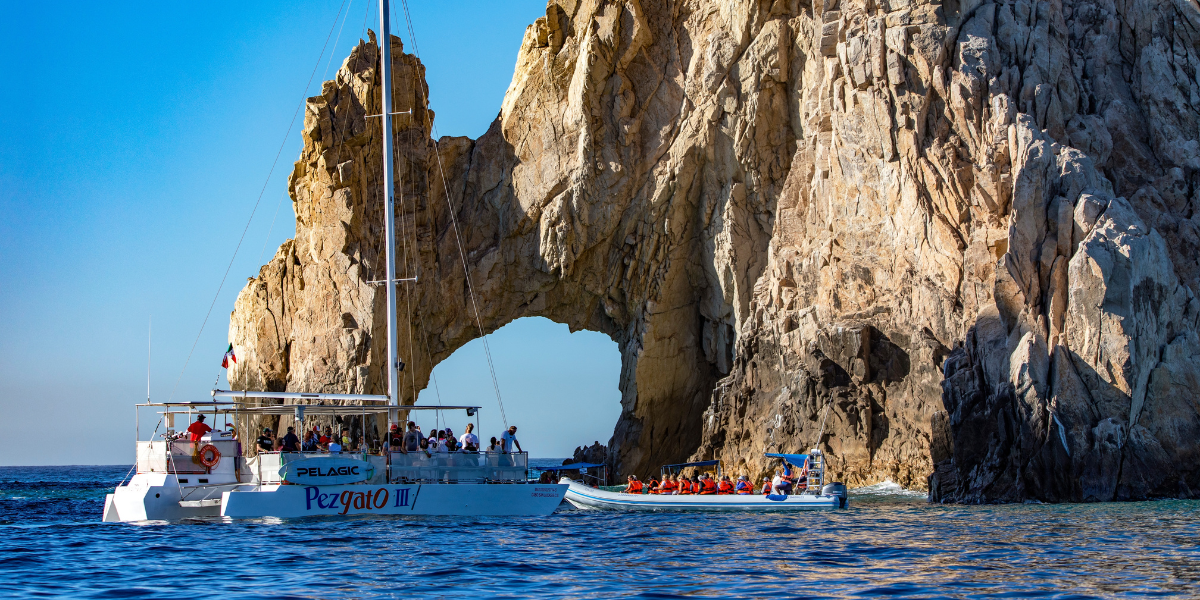
A whale watching excursion is one of the most memorable winter activities in Cabo, but it can easily be part of a much bigger Baja adventure. During the same trip, you can explore El Arco, take a sunset cruise, enjoy fresh seafood, visit San José del Cabo, go snorkeling, or simply spend a quiet afternoon by the beach. There are plenty of things to do in Cabo.
For anyone who loves nature, the whale watching Los Cabos experience offers something genuinely special: a chance to witness one of the world's great migrations, so plan your visit during the official season, keep your expectations flexible, and let the whales set the pace.
Sometimes, the best travel memories are the ones you can’t plan; they’re the unexpected moments that simply unfold along the way.
Discover How to Create a Vacation Itinerary
RELATED